Best gooseneck kettle
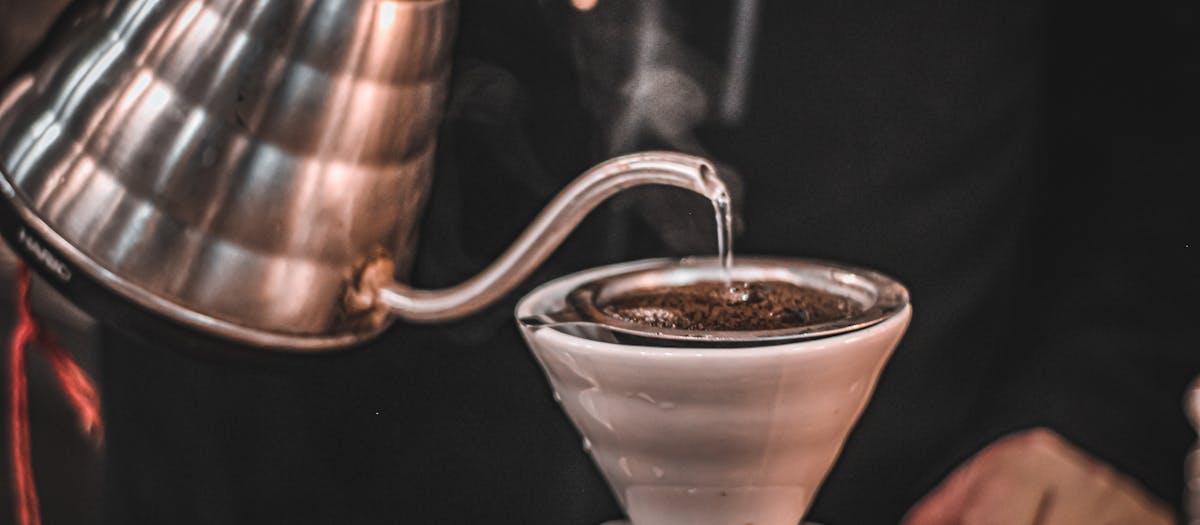
A pour-over kettle has two jobs: hit the right water temperature and let you pour a slow, precise stream. The popular options — the Fellow Stagg EKG, the Cosori and Bonavita electrics, the Brewista, and stovetops like the Hario Buono — differ on how well they do each. This guide explains the five specs that matter, then points you to the picks once they are verified.
A note on how to read this. The right kettle depends on whether you want set-and-hold temperature precision or just the controlled pour on a budget. So the value here is the framework — what each spec changes — so you can match a kettle to how seriously you brew. Read the framework first, then look at the picks.
How to choose a gooseneck kettle
Five things decide whether a kettle suits you. Run any gooseneck through these — they are exactly the columns in the comparison below.
Temperature control — the dial that makes brewing repeatable
Pour-over wants 195 to 205°F, the widely-accepted SCA-style range. A variable-temperature electric kettle lets you set and hold an exact temperature, which removes the biggest variable from your morning; a fixed or stovetop kettle means resting boiled water or using a thermometer. If you want the same cup every day, this is the spec to weight most. The kettles hub explains why temperature matters so much.
Pour control — the whole point of the gooseneck
The narrow gooseneck delivers a thin, steady stream you can place exactly, so you wet the grounds evenly and control the flow rate. Some kettles pour faster than others; a slower, more controllable pour generally suits pour-over better, because control beats speed. This is the one job a regular kitchen kettle cannot do, and the reason a gooseneck is worth buying.
Capacity — match it to your cups
Most pour-over kettles hold 0.6 to 1 litre. A smaller kettle heats faster and handles a single cup neatly; a larger one suits a household or doubling for tea. Buy for how many cups you brew at once — an oversized kettle is slower to heat and heavier to pour for a solo cup.
Material and build — heat retention and feel
Most goosenecks are stainless steel, sometimes with a coated or matte finish; some have a brew range marked on the spout or a counterweighted handle for a steadier pour. Build quality affects how stable the kettle feels mid-pour and how long it lasts. A well-balanced kettle is easier to pour slowly, which feeds directly into pour control.
Hold and timer — the convenience features
Many electric goosenecks add a hold function that keeps the water at your set temperature, and some include a built-in brew stopwatch. A hold function is genuinely useful — it means the water is ready when you are and stays in range through the brew. A timer is a nice extra if you do not already use a scale with one.
The kettles compared
A short list of widely available gooseneck kettles, compared on the five specs above, across electric and stovetop. Specs are verified against manufacturer data and current Amazon listings, and the brew guidance follows widely-accepted SCA-style ranges — no hands-on testing claims, just the specs and the notes that decide the fit.
| Best for | Temp control | Pour control | Capacity | Material | Hold / timer |
|---|---|---|---|---|---|
| Best overall electric | Variable — to-the-degree control; Guide Mode presets for coffee and tea | Precision gooseneck spout; ergonomic handle | 0.9L | Stainless steel | Adjustable hold mode; brew stopwatch; schedule-a-boil |
| Best value electric | 5 preset temps: 140°F, 175°F, 185°F, 195°F, 212°F | Gooseneck spout with counterbalanced handle | 0.8L | 100% stainless steel inner lid and bottom; BPA-free | 60-min hold; 1200W fast boil |
| Best budget | Variable — ±1°F precision; full range setting | Gooseneck spout; ergonomic handle | 0.9L | Stainless steel inner; BPA-free; 1500W element | Built-in brew timer; keep warm function |
| Best stovetop | None — stovetop (use a separate probe thermometer for precision) | Classic Buono gooseneck design — the benchmark for stovetop pour control | 1.2L | Stainless steel, silver finish | N/A (stovetop) |
| Best for precision pour | Precise variable temp with large LCD panel display | Artisan precision gooseneck spout; contoured ergonomic handle | 1.0L | Stainless steel; All White finish | Keep warm mode; fast boil; real-time LCD temp readout |
Our top picks
Best overall electric: Fellow Stagg EKG Pro Electric Gooseneck Kettle, Brew Timer, 0.9 Liter

Best overall electric
Fellow Stagg EKG Pro Electric Gooseneck Kettle, Brew Timer, 0.9 Liter
Fellow
- Temp control: Variable — to-the-degree control; Guide Mode presets for coffee and tea
- Capacity: 0.9L
- Pour control: Precision gooseneck spout; ergonomic handle
- Material: Stainless steel
- Hold / timer: Adjustable hold mode; brew stopwatch; schedule-a-boil
- Best for: Serious pour-over brewers who want precise temperature and flow control in one kettle
The current version of Fellow's benchmark pour-over kettle, with to-the-degree temperature control, a full-colour display, adjustable hold, scheduled boil and a built-in brew stopwatch.
Last checked 2026-10-09
Best value electric: Cosori Electric Gooseneck Kettle with 5 Temperature Control Presets, Pour Over Kettle for Coffee & Tea, Hot Water Boiler, 100% Stainless Steel Inner Lid & Bottom, 1200W, 0.8L, Black

Best value electric
Cosori Electric Gooseneck Kettle with 5 Temperature Control Presets, Pour Over Kettle for Coffee & Tea, Hot Water Boiler, 100% Stainless Steel Inner Lid & Bottom, 1200W, 0.8L, Black
COSORI
- Temp control: 5 preset temps: 140°F, 175°F, 185°F, 195°F, 212°F
- Capacity: 0.8L
- Pour control: Gooseneck spout with counterbalanced handle
- Material: 100% stainless steel inner lid and bottom; BPA-free
- Hold / timer: 60-min hold; 1200W fast boil
- Best for: Daily pour-over brewers who want preset temperature control under $70
The Cosori Electric Gooseneck Kettle delivers five temperature presets that cover every common pour-over and tea brewing temp, a 60-minute hold mode, and a fully stainless steel interior at a price that makes it the default value recommendation in the category. The 1200W element brings water to temperature faster than most competitors.
Last checked 2026-10-09
Best budget: INTASTING Gooseneck Electric Kettle with ±1℉ Temperature Control for Pour Over Coffee & Tea, Quick Heating, BPA-Free Stainless Steel, Built-in Brew Timer, 1500W/0.9L (Ebony Black)

Best budget
INTASTING Gooseneck Electric Kettle with ±1℉ Temperature Control for Pour Over Coffee & Tea, Quick Heating, BPA-Free Stainless Steel, Built-in Brew Timer, 1500W/0.9L (Ebony Black)
INTASTING
- Temp control: Variable — ±1°F precision; full range setting
- Capacity: 0.9L
- Pour control: Gooseneck spout; ergonomic handle
- Material: Stainless steel inner; BPA-free; 1500W element
- Hold / timer: Built-in brew timer; keep warm function
- Best for: Budget-conscious brewers who want full variable-temp precision under $60
The INTASTING Gooseneck Kettle punches above its price class — its ±1°F variable temperature control and built-in brew timer match features found in kettles costing $30–50 more. At 1500W it heats quickly, and the 0.9L capacity is enough for a full Chemex or two-cup V60 session in one fill.
Last checked 2026-10-09
Best stovetop: Hario V60 "Buono" Drip Kettle Stovetop Gooseneck Coffee Kettle 1.2L, Stainless Steel, Silver

Best stovetop
Hario V60 "Buono" Drip Kettle Stovetop Gooseneck Coffee Kettle 1.2L, Stainless Steel, Silver
Hario
- Temp control: None — stovetop (use a separate probe thermometer for precision)
- Capacity: 1.2L
- Pour control: Classic Buono gooseneck design — the benchmark for stovetop pour control
- Material: Stainless steel, silver finish
- Hold / timer: N/A (stovetop)
- Best for: Brewers who prefer stovetop simplicity or want a no-electronics gooseneck kettle
The Hario V60 Buono Stovetop Kettle is the reference stovetop gooseneck — its S-curve spout produces a smooth, consistent flow that has made it a staple in specialty coffee shops for decades. At 1.2L it has enough capacity for batch brewing, and the all-stainless build works on gas, electric, and radiant cooktops (not induction).
Last checked 2026-10-09
Best for precision pour: Brewista Artisan Electric Gooseneck Kettle, Water Boiler with LCD Panel, Precise Temperature Control, Fast Boiling and Keep Warm Settings for Pour-Over Coffee & Tea, Café, 1 Liter (All White)

Best for precision pour
Brewista Artisan Electric Gooseneck Kettle, Water Boiler with LCD Panel, Precise Temperature Control, Fast Boiling and Keep Warm Settings for Pour-Over Coffee & Tea, Café, 1 Liter (All White)
Brewista
- Temp control: Precise variable temp with large LCD panel display
- Capacity: 1.0L
- Pour control: Artisan precision gooseneck spout; contoured ergonomic handle
- Material: Stainless steel; All White finish
- Hold / timer: Keep warm mode; fast boil; real-time LCD temp readout
- Best for: Precision pour-over brewers who want a 1L kettle with a large, clear LCD display
The Brewista Artisan is the professional-grade option favoured by café bars and dedicated home baristas — its large LCD panel shows real-time temperature throughout the brew, and the precision gooseneck spout delivers the kind of controlled flow that makes a difference in delicate light-roast pours. At 1L it handles larger batch brews comfortably.
Last checked 2026-10-09
Who should buy what
The precise brewer
If you want the same cup every morning, a variable-temperature electric gooseneck is the answer. Set 200°F, let it hold, and remove temperature from the list of things that vary between brews. The Fellow Stagg EKG is the design-led benchmark; the Brewista is a feature-rich alternative.
The value buyer
A Cosori or Bonavita electric gooseneck delivers variable temperature and a good pour for noticeably less than the Stagg, with a slightly less refined experience. If you want the function without the premium, this is the tier to shop.
The budget start
A stovetop gooseneck like the Hario Buono gets you the controlled pour — the harder thing to fake — for the least money. Add a cheap thermometer or use the off-boil rest, and you have most of what a pricey kettle offers minus the convenience.
What to buy next
With your grind and temperature under control, the last piece that ties the recipe together is a scale. Weighing your coffee and water makes every cup repeatable and turns a good brew into one you can reproduce. If your kettle is sorted, the next stop is the best coffee scale for pour-over guide, which compares Acaia, Fellow and Timemore on the specs that matter.
Frequently asked questions
Do I really need a gooseneck kettle for pour-over?
It helps a great deal. The narrow gooseneck spout lets you pour a slow, precise stream so you wet the grounds evenly, which is most of good pour-over technique. You can start by pouring carefully from a regular kettle, but a gooseneck is the upgrade most beginners notice immediately, and a worthwhile early purchase.
Electric or stovetop gooseneck kettle — which is better?
An electric gooseneck with variable temperature lets you set and hold an exact temperature, which makes brewing repeatable, and many add a hold function and timer. A stovetop gooseneck is cheaper and gives you the controlled pour without the temperature precision. If you take pour-over seriously, the electric variable-temperature kettle pays off daily.
What temperature should the kettle hit for pour-over?
Aim for 195 to 205°F (about 90 to 96°C), the widely-accepted SCA-style range. A variable-temperature electric kettle lets you set it exactly; with a fixed or stovetop kettle, let boiled water rest 30 to 45 seconds. Lighter roasts suit the top of the range, darker roasts a few degrees cooler.
Is the Fellow Stagg EKG worth the price?
For people who value precise temperature control, a deliberately slow and controllable pour, and design, yes — it is the benchmark electric gooseneck and a daily pleasure to use. If you mainly want the controlled pour and accept a slightly less refined experience, a Cosori or Bonavita delivers most of the function for noticeably less.
Can I use a gooseneck kettle for tea as well?
Yes. A variable-temperature gooseneck is excellent for tea, where different leaves want different temperatures — green tea cooler, black tea hotter. A larger-capacity model earns its counter space if it has to serve both coffee and tea. The gooseneck pour is also tidy for filling cups and small vessels.
What capacity gooseneck kettle should I buy?
Most pour-over kettles hold around 0.6 to 1 litre, which covers one to three cups comfortably. A smaller kettle heats faster and is easier to handle for a single cup; a larger one suits a household or doubling for tea. Match the capacity to how many cups you brew at once and whether the kettle does double duty.
Does a slower pour make better coffee?
A slower, controllable pour helps you wet the grounds evenly and control the flow rate, which improves extraction and is easier to get right — so kettles designed to pour slowly suit pour-over well. A fast, hard-to-control stream disturbs the coffee bed and causes uneven extraction. Control matters more than speed for pour-over.